Sewer Line Snaking in Denver, CO
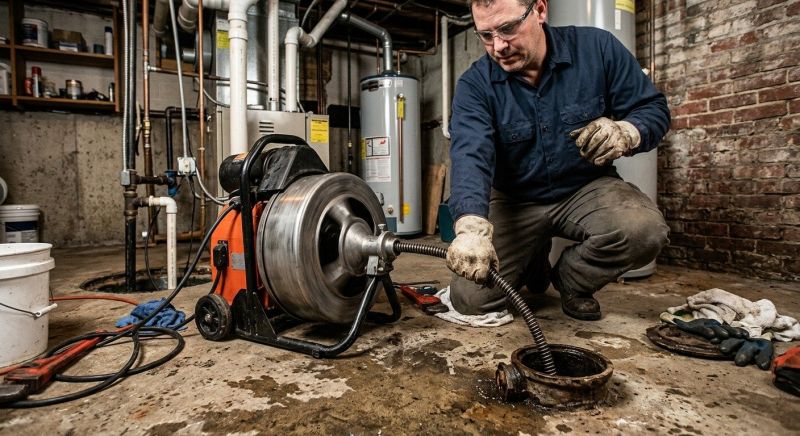
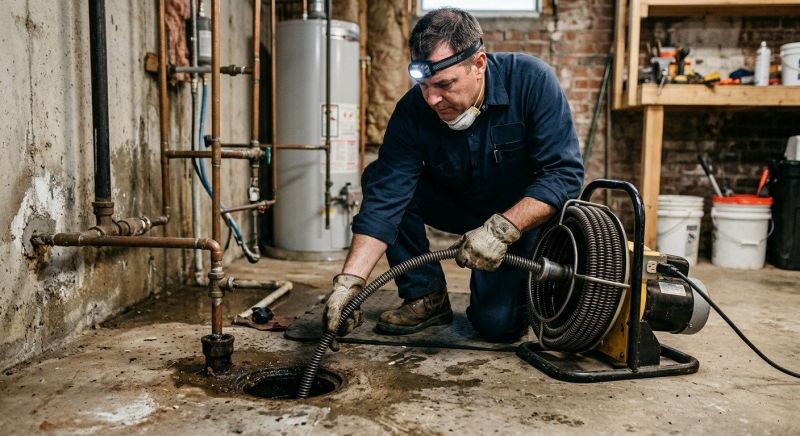
Sewer line snaking services involve using specialized equipment to clear blockages and obstructions within a home's main sewer line. This process typically addresses issues such as slow drains, foul odors, or backups in sinks, toilets, or floor drains. Projects often include removing debris, grease buildup, or tree root intrusion that can hinder proper flow. Property owners should consider whether their plumbing issues are persistent or worsening, as snaking can effectively restore normal drainage without invasive repairs.
Before requesting sewer line snaking, homeowners should understand that the service targets clogs within the sewer pipe itself and is suitable for resolving common drain problems. It is helpful to know the location of the main sewer line and whether previous issues have been diagnosed. Additionally, property owners may want to inquire about the scope of the service, potential follow-up steps if blockages recur, and any precautions to take before the work begins. This ensures a clear understanding of how the process can address their specific plumbing concerns.
Many property owners in Denver, CO look into Sewer Line Snaking for repairs, replacements, upgrades, and appearance-related improvements.
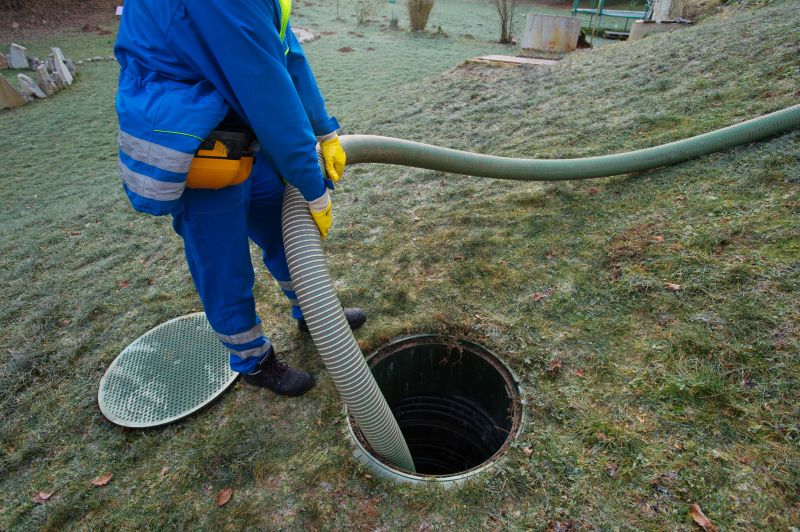
Clog Removal Solutions
Sewer line snaking effectively clears blockages caused by grease, debris, or tree roots.
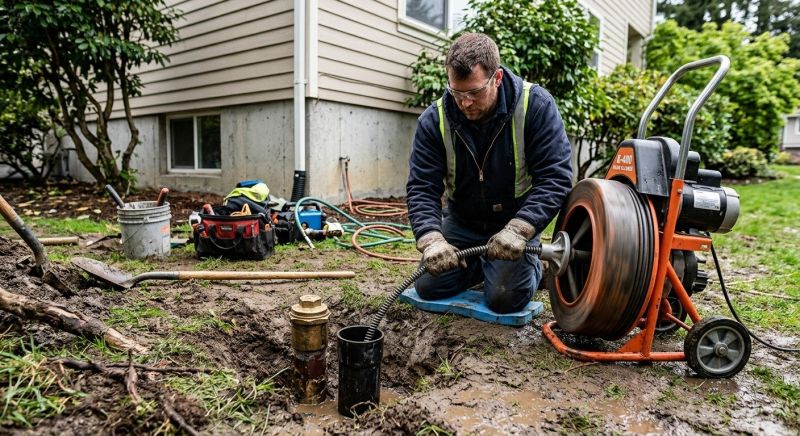
Preventative Maintenance
Regular snaking can help maintain proper flow and prevent costly backups in denver homes.
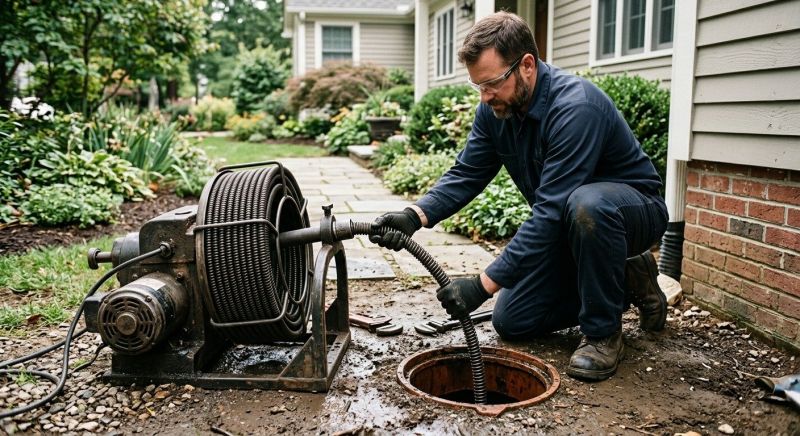
Emergency Drain Clearing
Fast and reliable snaking services address sudden clogs to minimize property damage and disruption.
Sewer Line Snaking in Denver, CO

Sewer line snaking services involve using specialized equipment to clear blockages and obstructions within a home's main sewer line. This process typically addresses issues such as slow drains, foul odors, or backups in sinks, toilets, or floor drains. Projects often include removing debris, grease buildup, or tree root intrusion that can hinder proper flow. Property owners should consider whether their plumbing issues are persistent or worsening, as snaking can effectively restore normal drainage without invasive repairs.
Before requesting sewer line snaking, homeowners should understand that the service targets clogs within the sewer pipe itself and is suitable for resolving common drain problems. It is helpful to know the location of the main sewer line and whether previous issues have been diagnosed. Additionally, property owners may want to inquire about the scope of the service, potential follow-up steps if blockages recur, and any precautions to take before the work begins. This ensures a clear understanding of how the process can address their specific plumbing concerns.
Many property owners in Denver, CO look into Sewer Line Snaking for repairs, replacements, upgrades, and appearance-related improvements.
Common Sewer Line Snaking Jobs
Sewer line snaking - clears blockages caused by debris, grease, or buildup in drain lines.
Clog removal - effectively breaks up obstructions to restore proper wastewater flow.
Drain cleaning - addresses slow drains and backups in sinks, toilets, and main sewer lines.
Pipe maintenance - reduces the risk of future clogs and potential sewer backups.
Emergency drain service - provides quick relief for sudden, severe drain backups or overflows.
Preventative snaking - helps maintain clear sewer lines and avoid costly repairs.
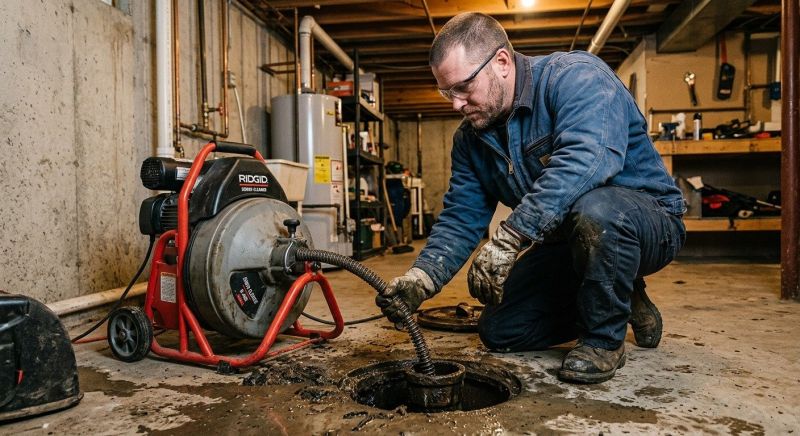

Sewer Line Snaking Questions
What is sewer line snaking? Sewer line snaking involves using a flexible auger to clear blockages and debris from underground sewer pipes.
When is sewer line snaking needed? It is typically used when drains are slow or backing up due to clogs in the main sewer line.
Does sewer line snaking damage pipes? When performed properly, snaking is a safe method that minimizes the risk of pipe damage.
What types of blockages can sewer line snaking remove? It can clear obstructions caused by tree roots, grease buildup, and accumulated debris.
Request Sewer Line Snaking in Denver, CO
Use the quote form on this page to share the basics of your project and request more information for the type of work you need.